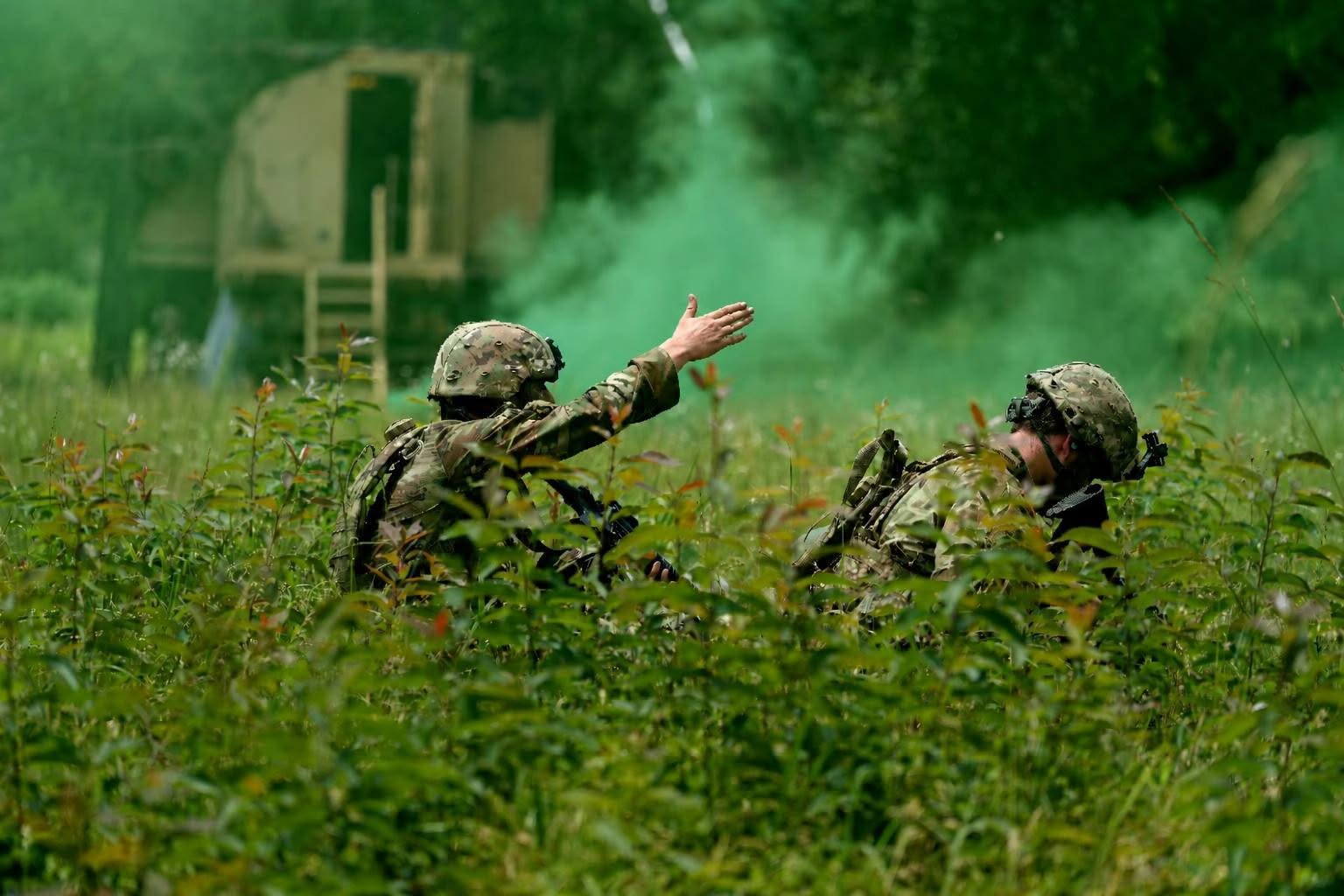
 The 256th Infantry Brigade Combat Team (IBCT), headquartered in Lafayette, Louisiana, is the Louisiana Army National Guard’s primary combat formation, providing trained and ready forces for global deployments and domestic emergency response. The brigade commands infantry, field artillery, engineer, cavalry, and brigade support units strategically located throughout the state, combining centuries of military heritage with modern combat capabilities. As one of the National Guard’s most frequently deployed brigade combat teams, the 256th has earned a reputation for readiness and operational excellence in both state and federal service.
The brigade draws upon the lineage of Louisiana militia established in 1770 under Spanish Governor Alexander O’Reilly, with subordinate units whose service spans more than 250 years. Among its historic formations are the Washington Artillery, now the 141st Field Artillery Regiment and the Louisiana National Guard’s oldest continuously serving unit, organized in 1838, along with the 156th Infantry Regiment and 769th Engineer Battalion, whose histories reflect generations of service to the state and nation.
The 256th IBCT has deployed repeatedly in support of overseas contingency operations since the beginning of the Global War on Terrorism. Following two combat deployments to Iraq in support of Operation Iraqi Freedom, the brigade returned home in 2005 to immediately support recovery efforts after Hurricanes Katrina and Rita, exemplifying its dual mission of serving the United States abroad and the citizens of Louisiana at home. During a 2020-2021 deployment, Task Force Tiger conducted multi-theater operations across Kuwait, Jordan, Iraq and Syria in support of Operations Inherent Resolve. More recent deployments sent brigade Soldiers to Kosovo and the Horn of Africa, while the 1st Battalion, 173rd Infantry Regiment supported Multinational Force and Observers operations in the Sinai Peninsula in 2025. Soldiers from Battery A, 1st Battalion, 141st Field Artillery Regiment also deployed in support of Operation Inherent Resolve in the Middle East. Today, the brigade remains a cornerstone of the Louisiana Army National Guard’s combat capability and one of its most distinguished organizations.
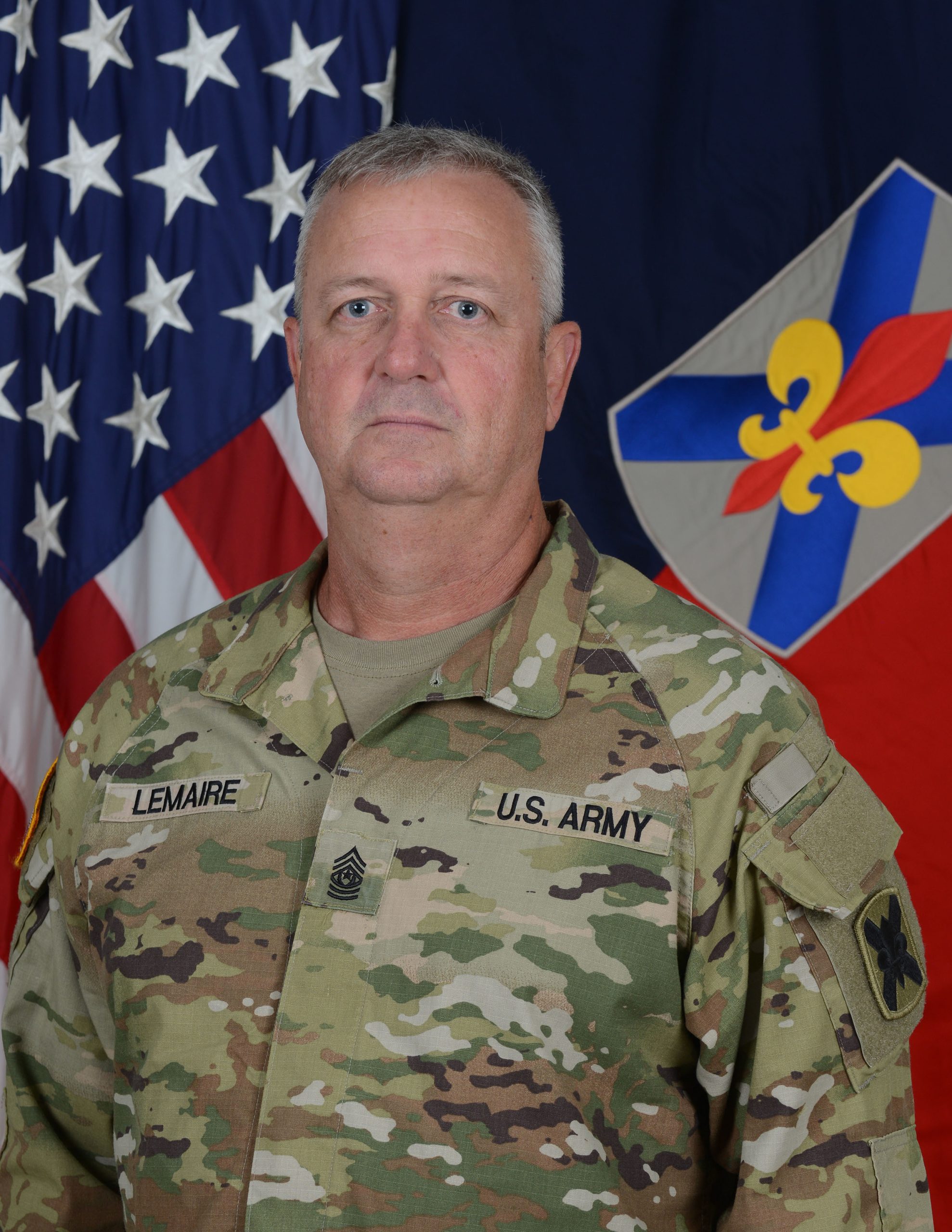

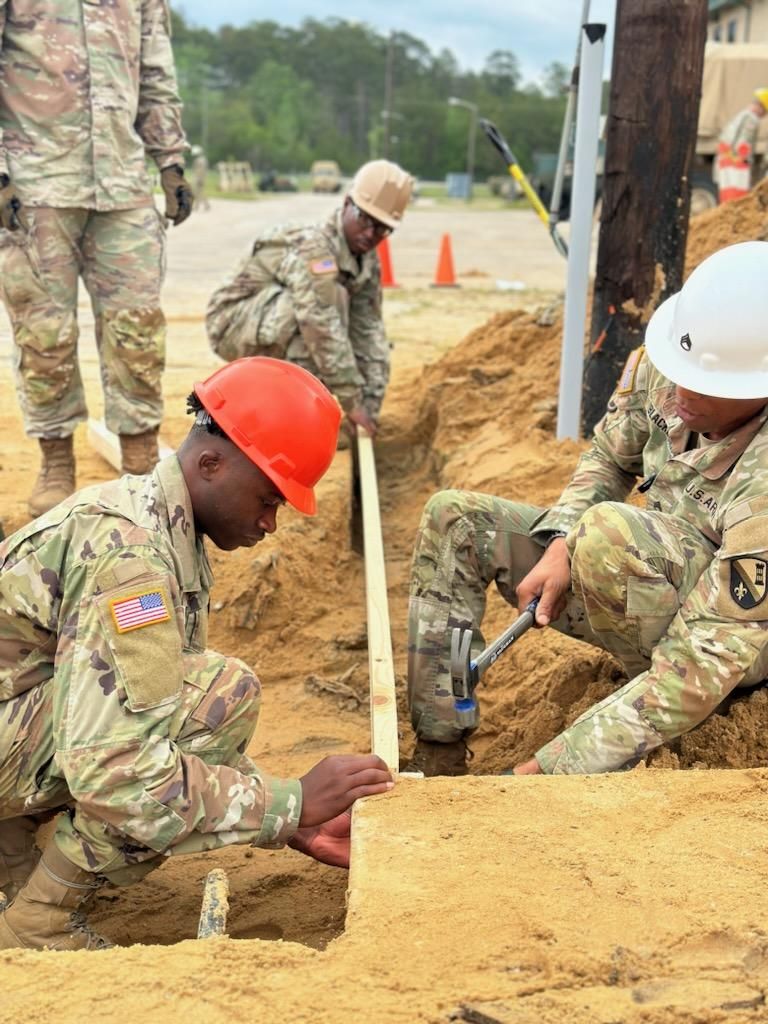 Louisiana’s engineers are a vital component of the Louisiana National Guard’s forces. The 225th began as an engineer company in the 1950s, upgraded to battalion by the 1960s, and became a group by the mid part of that decade. Increasing in importance to both overseas and domestic missions of the LANG, the 225th was upgraded to a brigade in 2006. The LANG engineers deployed elements overseas to the Global War on Terror since late 2002 while concurrently dealing with one of the busiest periods of state activation in Louisiana history. In 2005, Hurricanes Katrina and Rita put the engineers to the ultimate test, followed in quick succession by Hurricanes Gustav and Ike in 2008, the Gulf Oil Spill in 2010, river flooding in 2011, and Hurricane Isaac in 2012.
The 205th Engineer Battalion was reorganized from the 105th Anti-Aircraft Battalion, based out of Bogalusa with companies on the “Northshore” of Lake Pontchartrain. The 105th saw action in North Africa, Italy, and in Germany during World War II. The Bogalusa and Franklinton units of the 205th have lineage connecting back to the old 108th Cavalry companies stationed there. The 2225th Bridge Company, in Marrero, is a relatively new but significant unit for the LANG due to its capacity as a multi-role bridge unit that can transport, build, and maintain floating and fixed bridges.
The 527th Engineer Battalion is based out of Northwestern Louisiana. One of its important historical achievements involves its role in 1991’s Operation Desert Storm. The unit opened the berm barriers between Saudi Arabia and Iraq, allowing coalition forces to enter hostile territory and crush Iraqi forces. Closing the berms afterward, it was also the last unit out in that area of operations.
The 528th Engineer Brigade was formed from several companies in Northeastern Louisiana. Monroe-area units have history dating back to the Civil War. The 528th has been involved in every major state disaster response since its formation and has had several overseas deployments connected to the Global War on Terror.
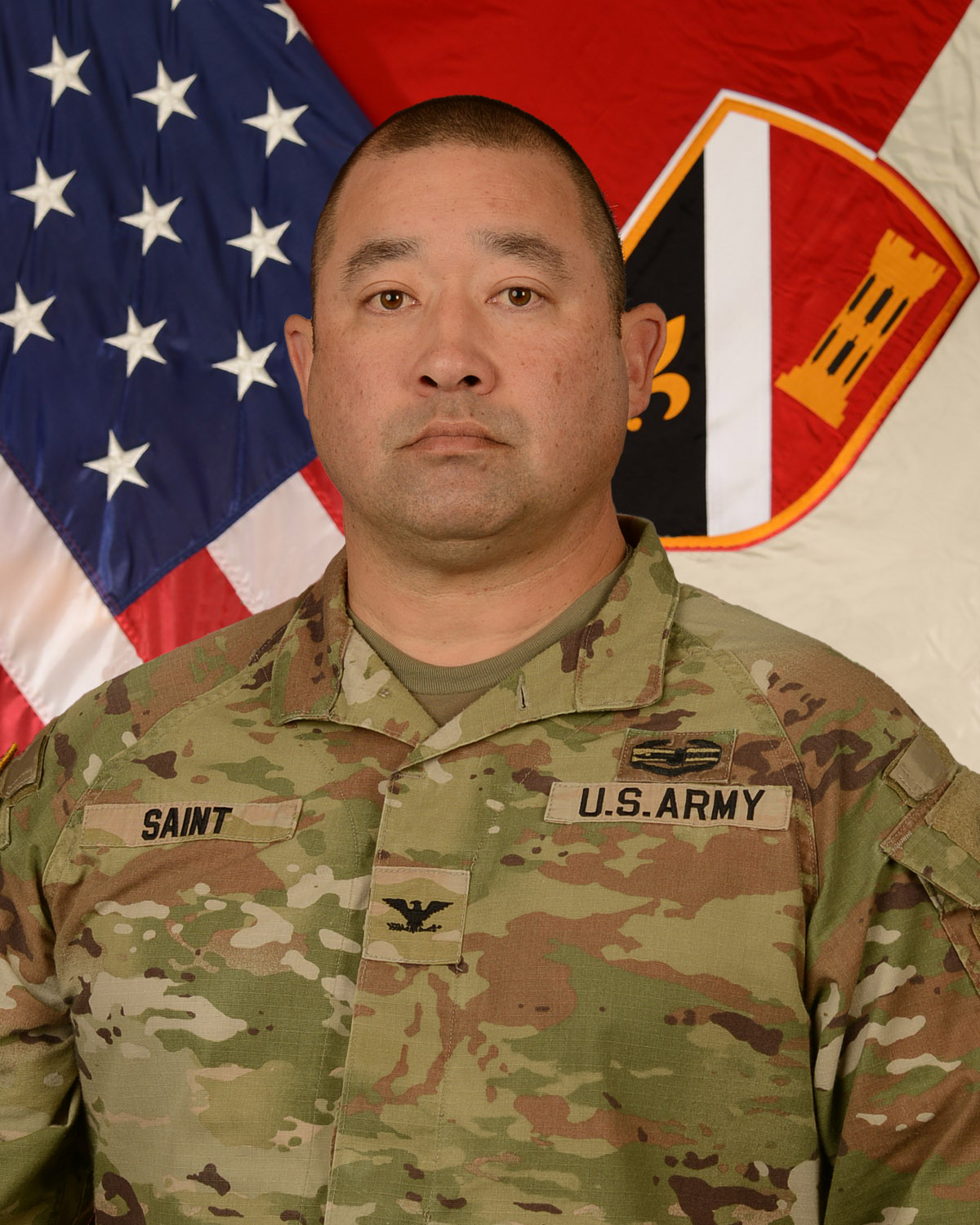
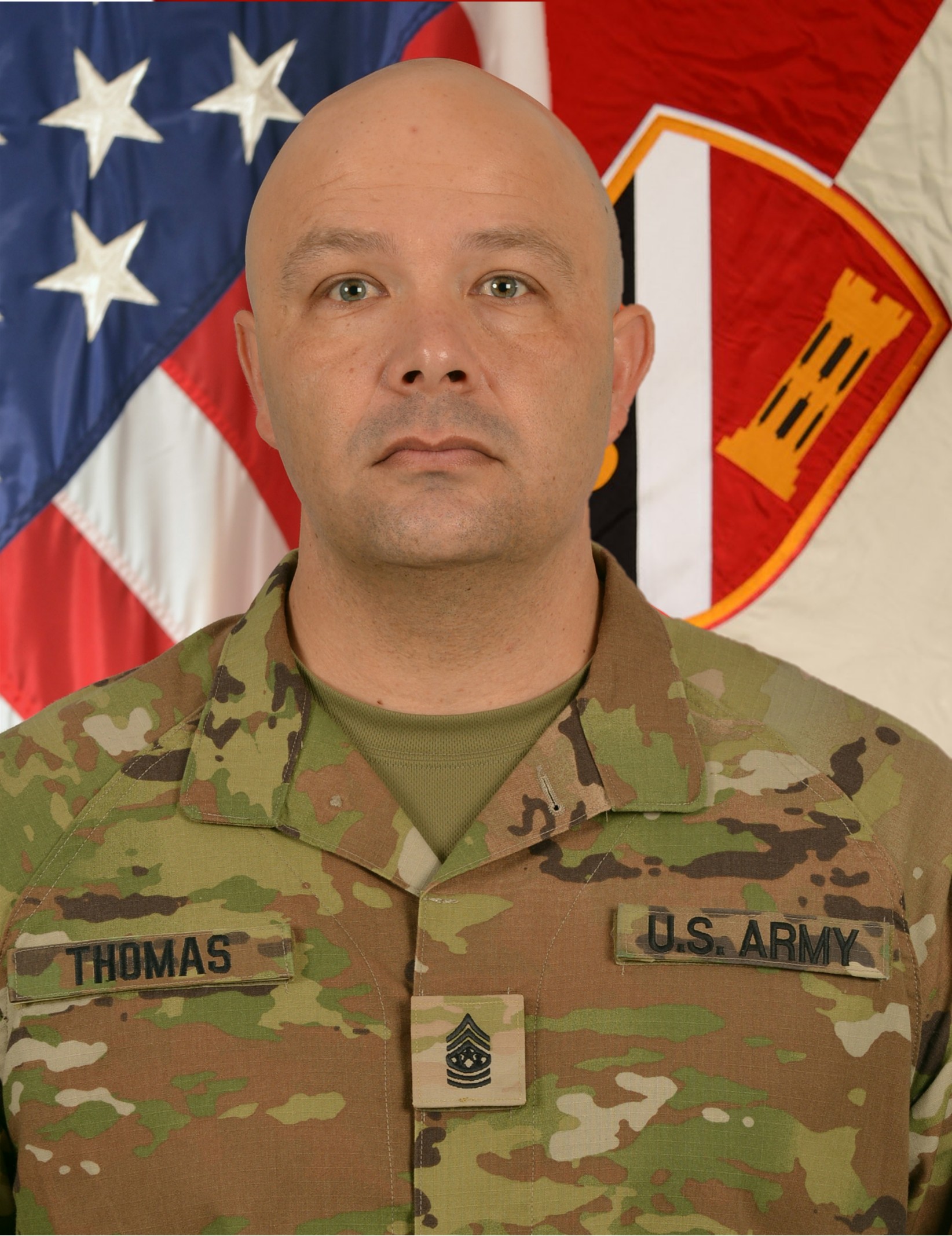
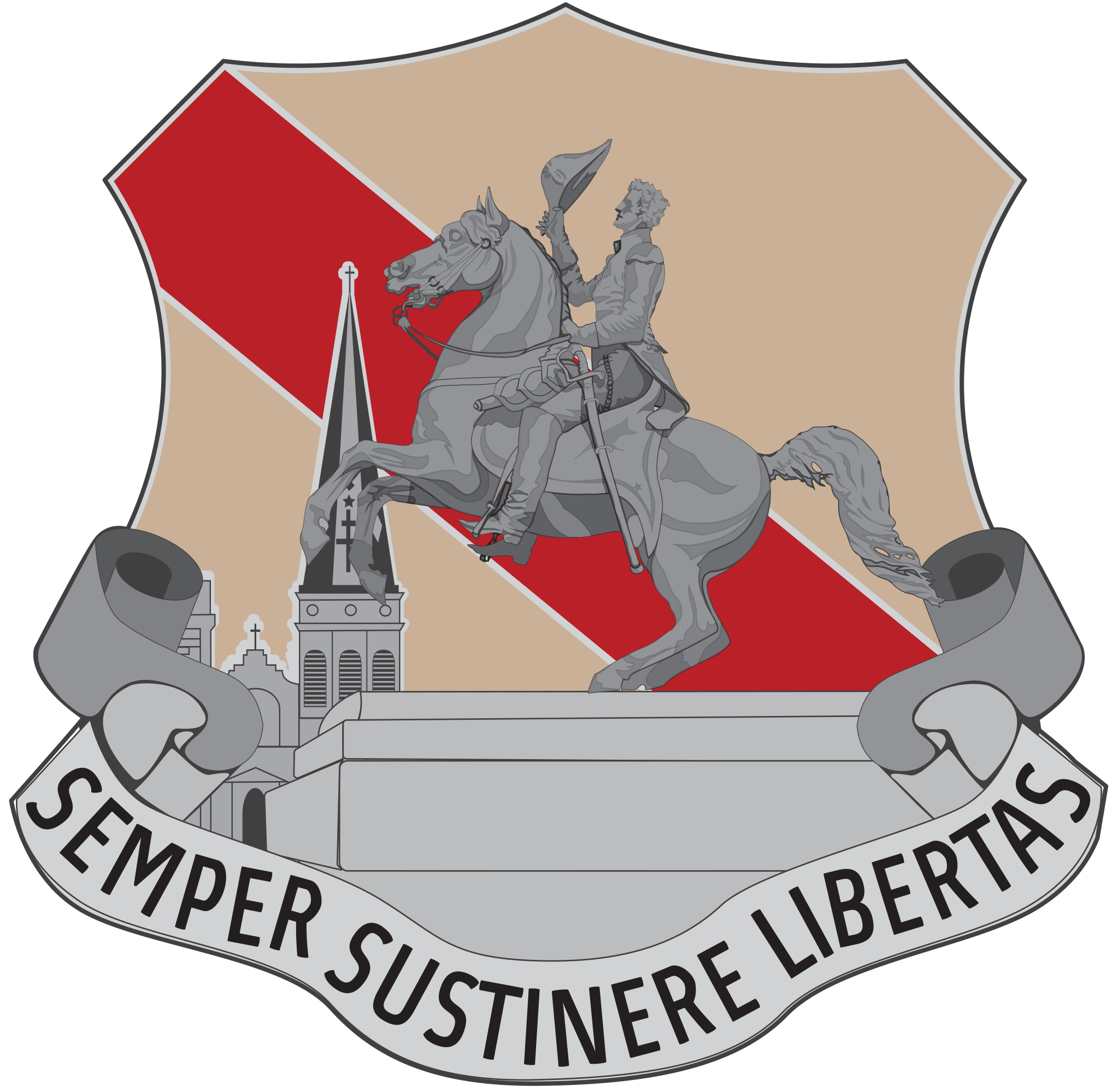
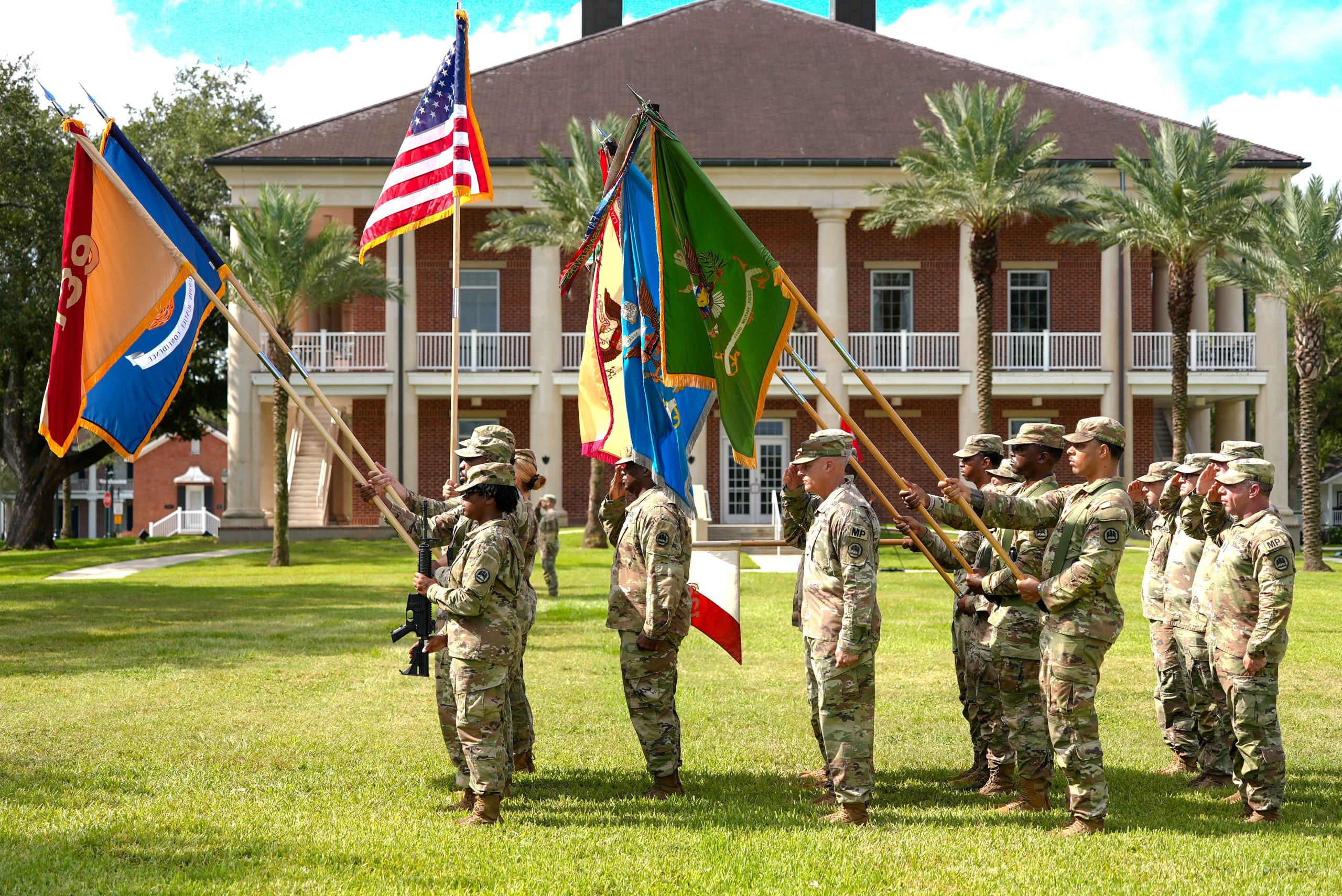
The 139th Regional Support Group (RSG) was activated at Camp Beauregard in Pineville, Louisiana, on Sept. 1, 2006. The 139th RSG provides command and control, sustainment and base operations capabilities in support of military and domestic response missions. In 2008, the RSG conducted its first major state activation in response to hurricanes Gustav and Ike, supporting commodity distribution, search and rescue, security and parish liaison missions. Since then, the group has supported numerous state and federal operations, including the Deepwater Horizon oil spill, Haiti earthquake response, Operation River Guardian, COVID-19 response, hurricanes Delta and Ida, and other all-hazards events throughout Louisiana. On July 29, 2011, the group relocated to Jackson Barracks in New Orleans, where it remains today.
The 139th RSG completed its first overseas mission in 2017 in support of Operation Inherent Resolve in Iraq. During the deployment, the group provided base operational support and base command to three strategic locations, Al Asad Air Base, Taji Military Complex and Erbil, supporting coalition forces conducting counter-ISIS operations in Iraq and Syria. Collectively, the group supported more than 20,000 military and civilian personnel during a critical phase of the operation.
In 2024, the 139th RSG conducted its second overseas mission in support of European Assurance, Deterrence and Reinforcement efforts. Operating throughout Poland and the Baltic region, the group conducted Base Operating Support-Integrator (BOS-I) operations, managing forward operating sites and coordinating essential logistical and life-support services for U.S. forces. The mission improved living and operating conditions for Soldiers while enabling supported units to focus on their operational requirements.
Today, the 139th RSG commands a diverse formation that includes the 165th Combat Sustainment Support Battalion, 415th Military Intelligence Battalion, 773rd Military Police Battalion, 156th Army Band and additional signal, medical, headquarters and support elements. Through successful missions at the state, national and international levels, the group continues to demonstrate its motto, “Support Strong,” by providing critical capabilities to Soldiers, citizens and partners in Louisiana and abroad.
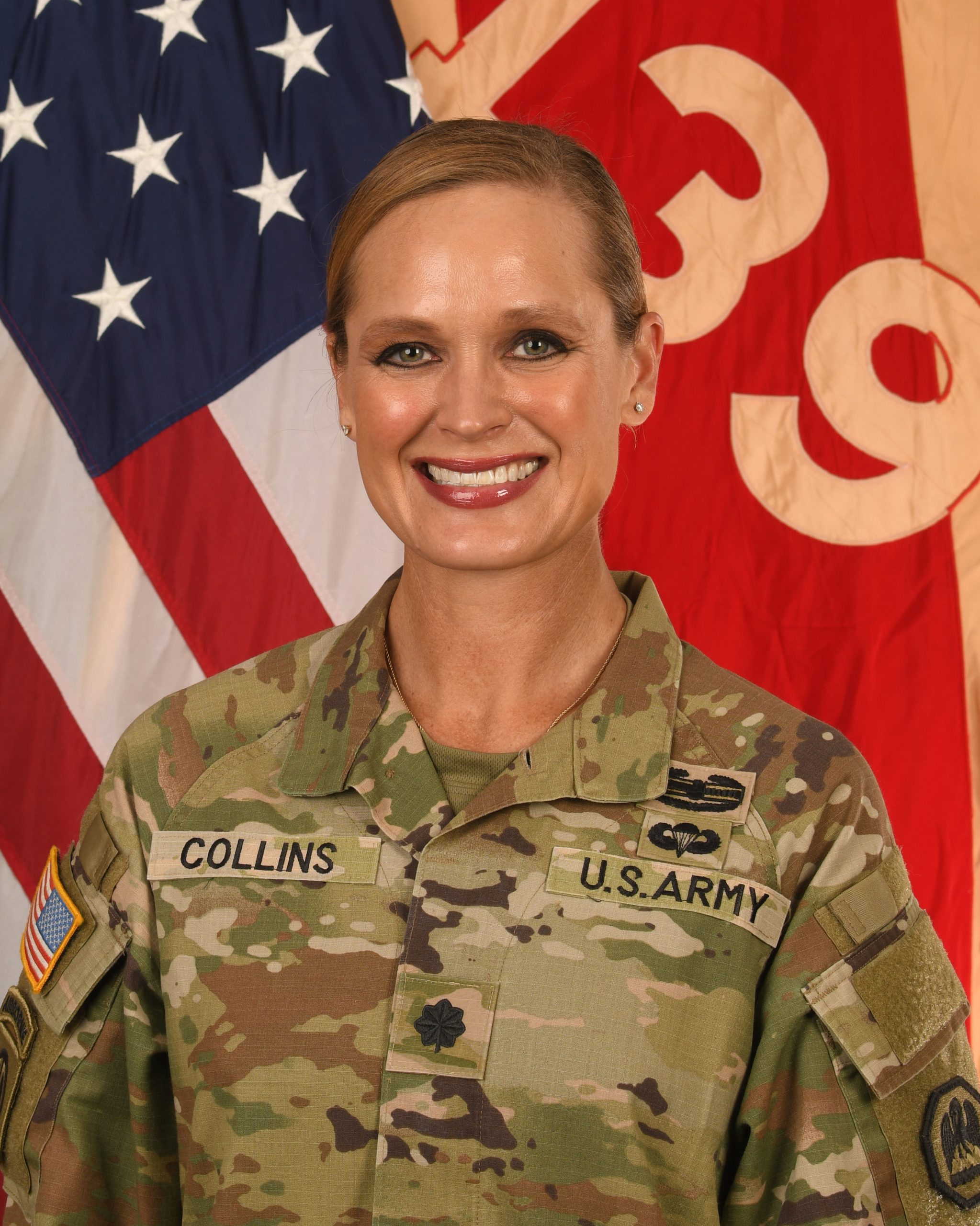
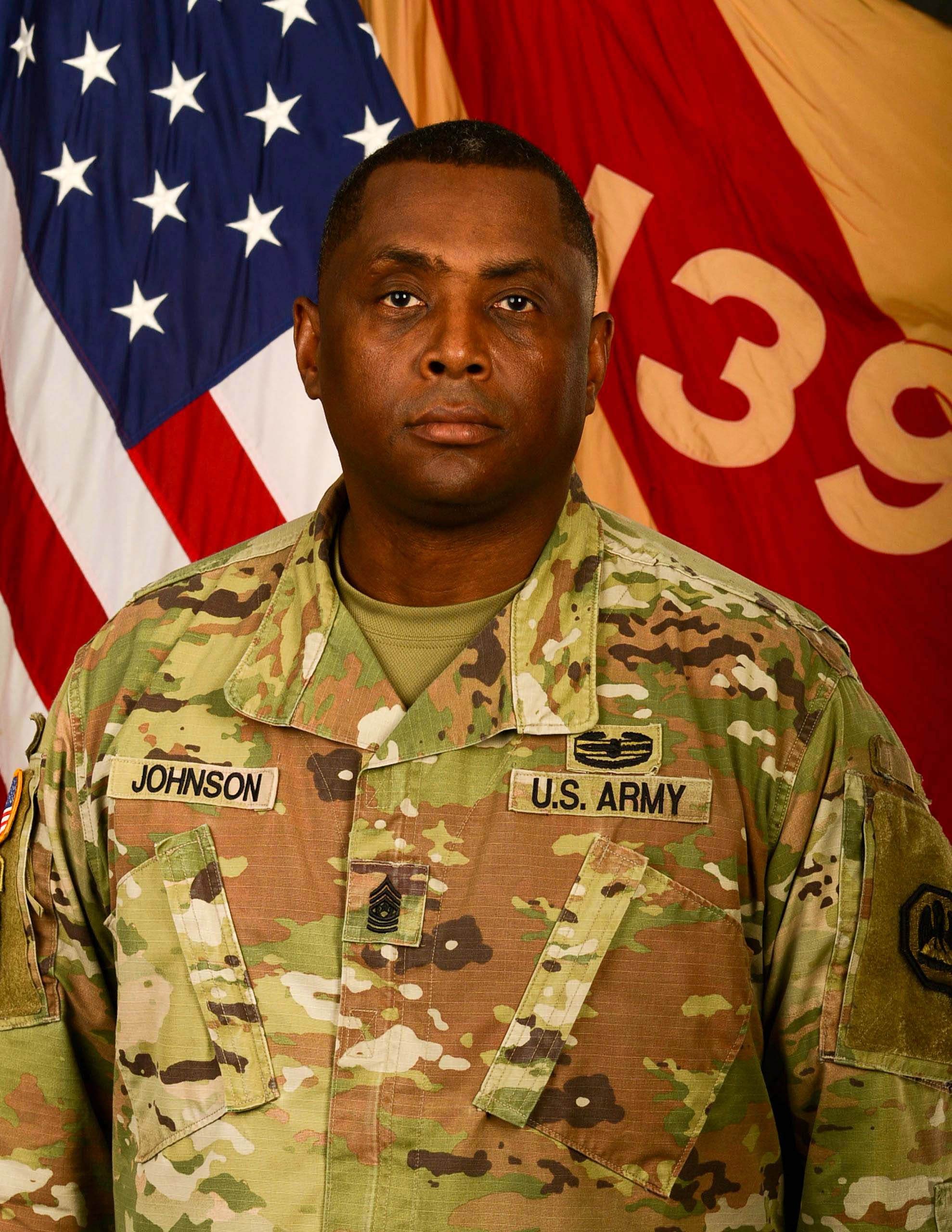
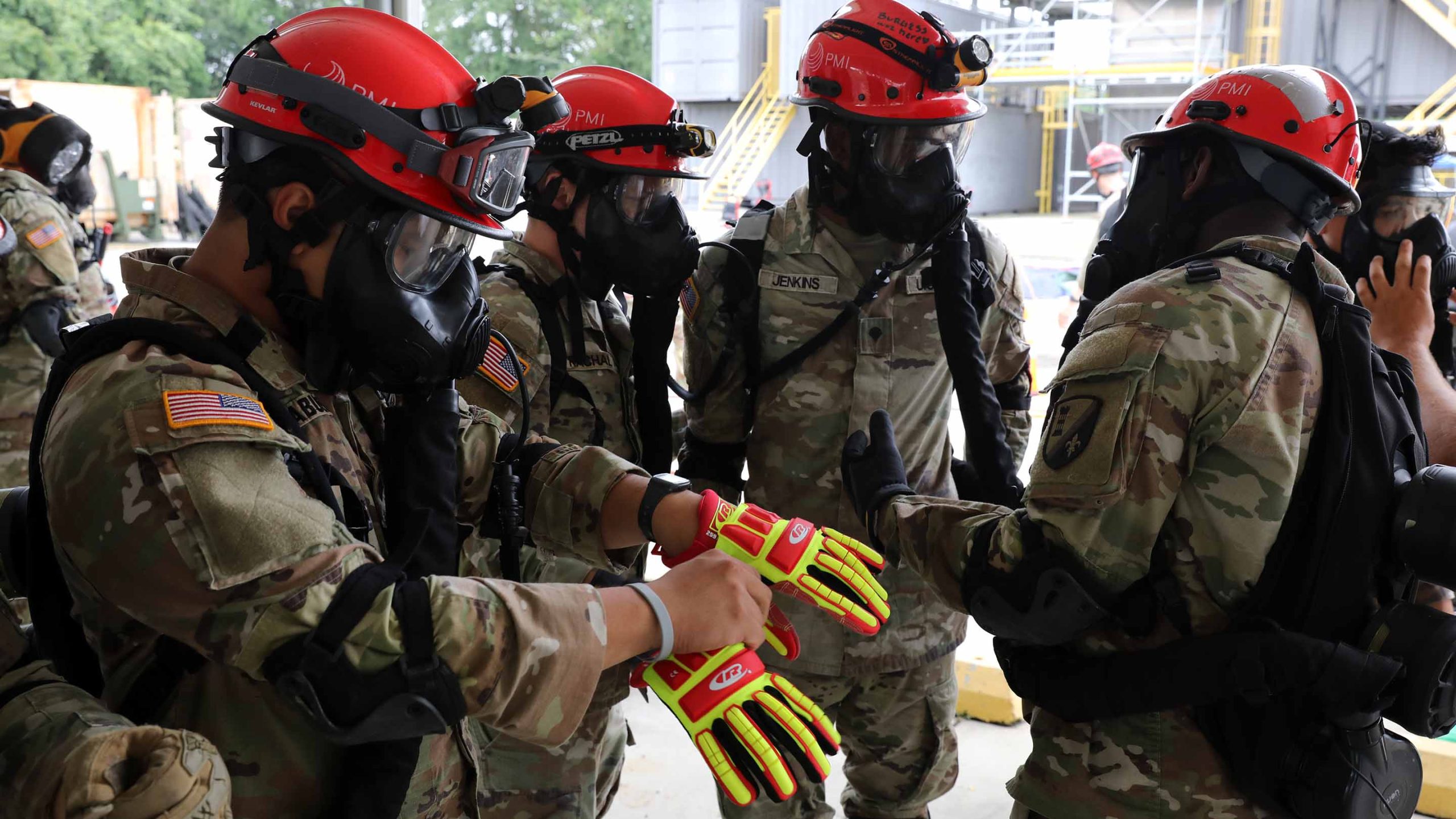 Headquartered at the Gillis W. Long Center in Carville, Louisiana, the 61st Troop Command provides command and control for many of the Louisiana Army National Guard’s specialized mission units. The command oversees a diverse force that includes the 62nd Civil Support Team, 178th Cyber Protection Team, 239th Military Police Company, 241st Mobile Public Affairs Detachment, the 792nd Chemical Detachment, and the Trial Defense Teams of the 399th and 356th. As Louisiana routinely responds to hurricanes, floods, hazardous material incidents, and homeland security missions, the 61st serves as a critical link between military capabilities and civil authorities, integrating specialized capabilities to support state and local agencies during emergencies.
The command’s operational reach extends beyond Louisiana through the 62nd Chemical, Biological, Radiological, Nuclear, and High-Yield Explosive Enhanced Response Force Package (CERFP), which maintains the capability to rapidly deploy throughout FEMA Region VI in support of search and rescue, decontamination, and medical response operations. The 61st regularly leads command and control for complex domestic response missions, including statewide disaster operations, major homeland security exercises, and Task Force Defender, which coordinated Louisiana National Guard forces in support of state and local law enforcement during enhanced security operations in New Orleans.
Established in 1985 and redesignated as the 61st Troop Command in 1994, the command has continually adapted to meet Louisiana’s evolving homeland defense and emergency response requirements. Operating under the motto “Protect and Defend,” the 61st remains a cornerstone of the Louisiana National Guard’s domestic response mission.

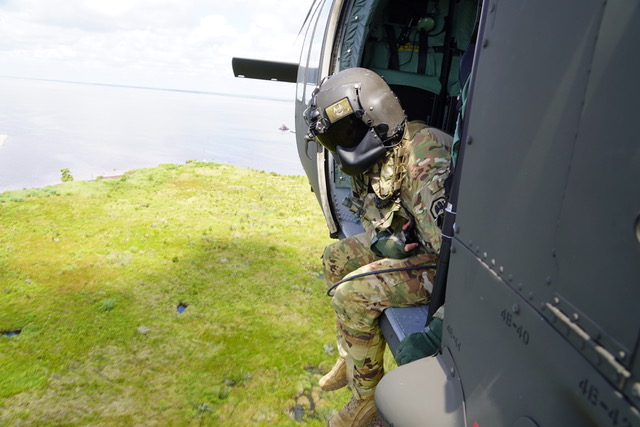
The State Aviation Command (SAC) is spearheaded by the 204th Theater Aviation Operations Group (TAOG), which serves as the operational headquarters for the Louisiana Army National Guard’s aviation elements. The 204th TAOG oversees a highly capable, multi-mission force that includes an assault battalion, medical evacuation and light utility detachments, Air Traffic Services, and unmanned and fixed-wing elements. To sustain this high level of mission readiness, SAC operates two Army Aviation Support Facilities (AASF) dedicated to the training and maintenance of all supported units.
A cornerstone of the command is the 1-244th Aviation Regiment (Assault), equipped with UH-60M Blackhawk helicopters. The 1-244th has a decorated history of federal service, having conducted multiple overseas combat deployments in support of Operations Iraqi Freedom and Enduring Freedom. Domestically, the battalion is indispensable to the state’s emergency response matrix. The unit executed historic search and rescue operations during Hurricane Katrina, saving countless lives. Following the catastrophic damage to its original New Orleans headquarters during that storm, the unit relocated to a modernized facility in Hammond, Louisiana. The battalion continuously provided critical airlift, supply transport, and rescue capabilities during subsequent major disasters, including Hurricanes Rita, Harvey, and Ida, the Deepwater Horizon Oil Spill, and the historic 2016 floods.
The SAC’s operational reach is further expanded by specialized detachments operating a diverse fleet. The command utilizes UH-72 Lakota helicopters across two Light Utility Helicopter (LUH) detachments, which are frequently activated for state emergencies, security operations, and counter-drug missions. Dedicated medical evacuation is provided by Company F, 2-238th MEDEVAC (formerly the 812th Medical Company), operating specially equipped UH-60M Blackhawks. With roots in the LANG dating back to the 1970s, this MEDEVAC unit deployed for Operation Desert Storm in 1991, performed extensive life-saving hoist rescues during Hurricane Katrina, and deployed to Asia in 2010 in support of the Global War on Terrorism.
Rounding out the command’s comprehensive air capabilities, the TAOG also oversees two Air Traffic Services companies, an Aviation Intermediate Maintenance detachment, and an Unmanned Aircraft Systems (UAS) detachment. Fixed-wing operational support is provided by Detachment 38 (OSA), equipped with a C-12 aircraft. Detachment 38 conducts routine transport and logistical support throughout the Western Hemisphere and has actively supported overseas combat missions during the Global War on Terrorism.
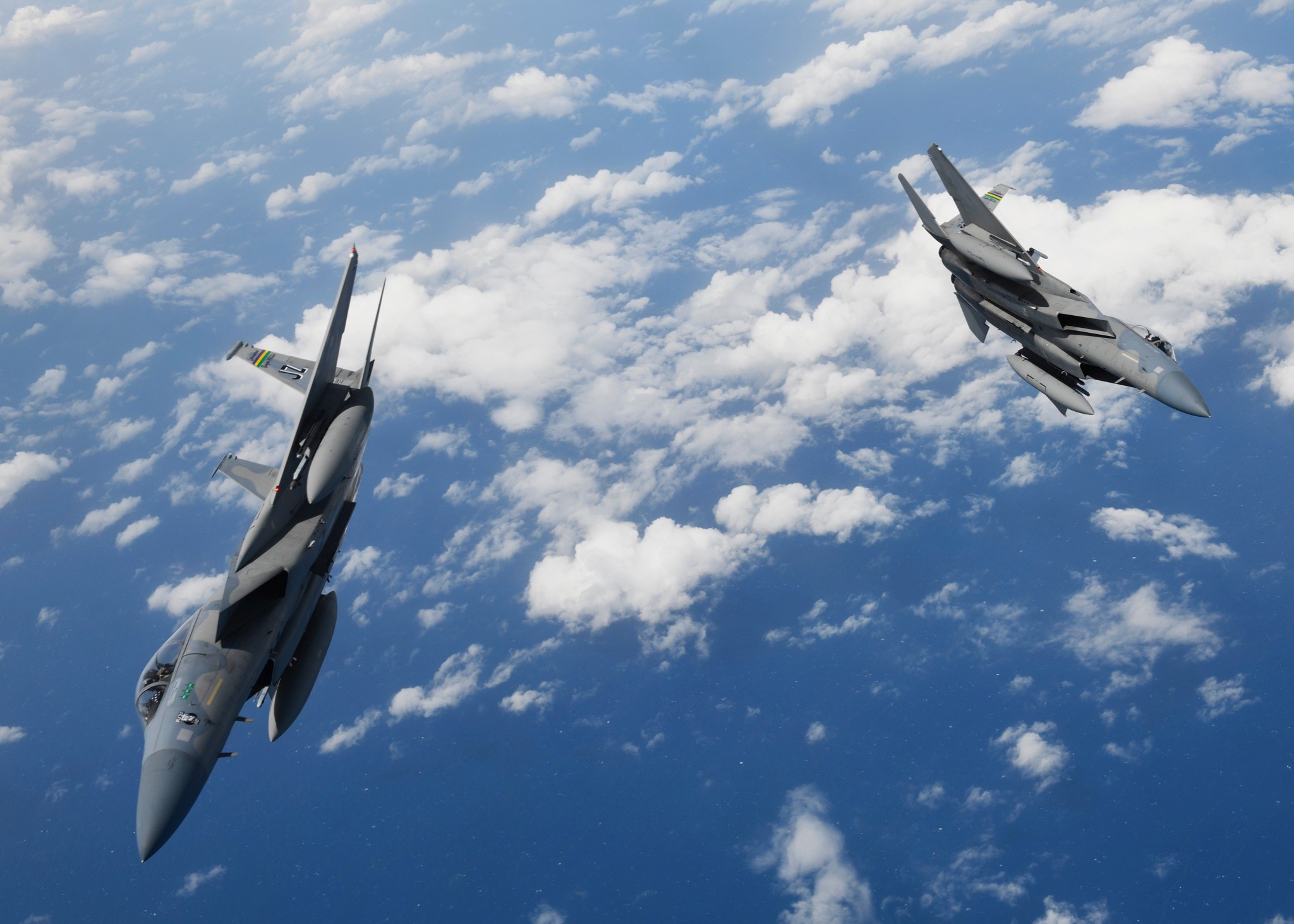 The Louisiana Air National Guard was officially formed after World War II, with the organization of the U.S. Air Force. Its roots go further back, however, as an aviation unit in the Army National Guard. The 122nd Observation Squadron was organized and federally mobilized in 1940. After the Japanese attack on Pearl Harbor, the 122nd began anti-submarine missions over the Gulf of Mexico. The unit next went to North Africa and subsequently to Italy. It transitioned from an observation squadron to a fighter squadron and then to a bombardment squadron over the course of the war. After the war, the 122nd was reorganized as part of the Air National Guard and played an important role in civil defense of U.S. air space during the Cold War. During the Korean War, the squadron was mobilized domestically to train airmen for nighttime raids in that conflict. In the late 1950s, the 122nd Fighter Squadron became a part of Louisiana’s 159th Fighter Interceptor Group, which eventually expanded to a Fighter Wing. Since the September 11 terrorist attacks, it has maintained a similar role of readiness in the skies of the Gulf of Mexico and elsewhere. The 122nd Fighter Squadron’s assigned aircraft have included the A-26, the F-86, the F-102, the F-100, the F-4, and the F-15.
Maintenance, Support, and Medical units have continued to evolve in the Wing. The 236th Combat Communications Squadron, the 214th Engineer and Installation Squadron, the 122nd Air Support Operations Squadron, and the 259th Air Traffic Control Squadron are unique, subordinate units to the 159th.
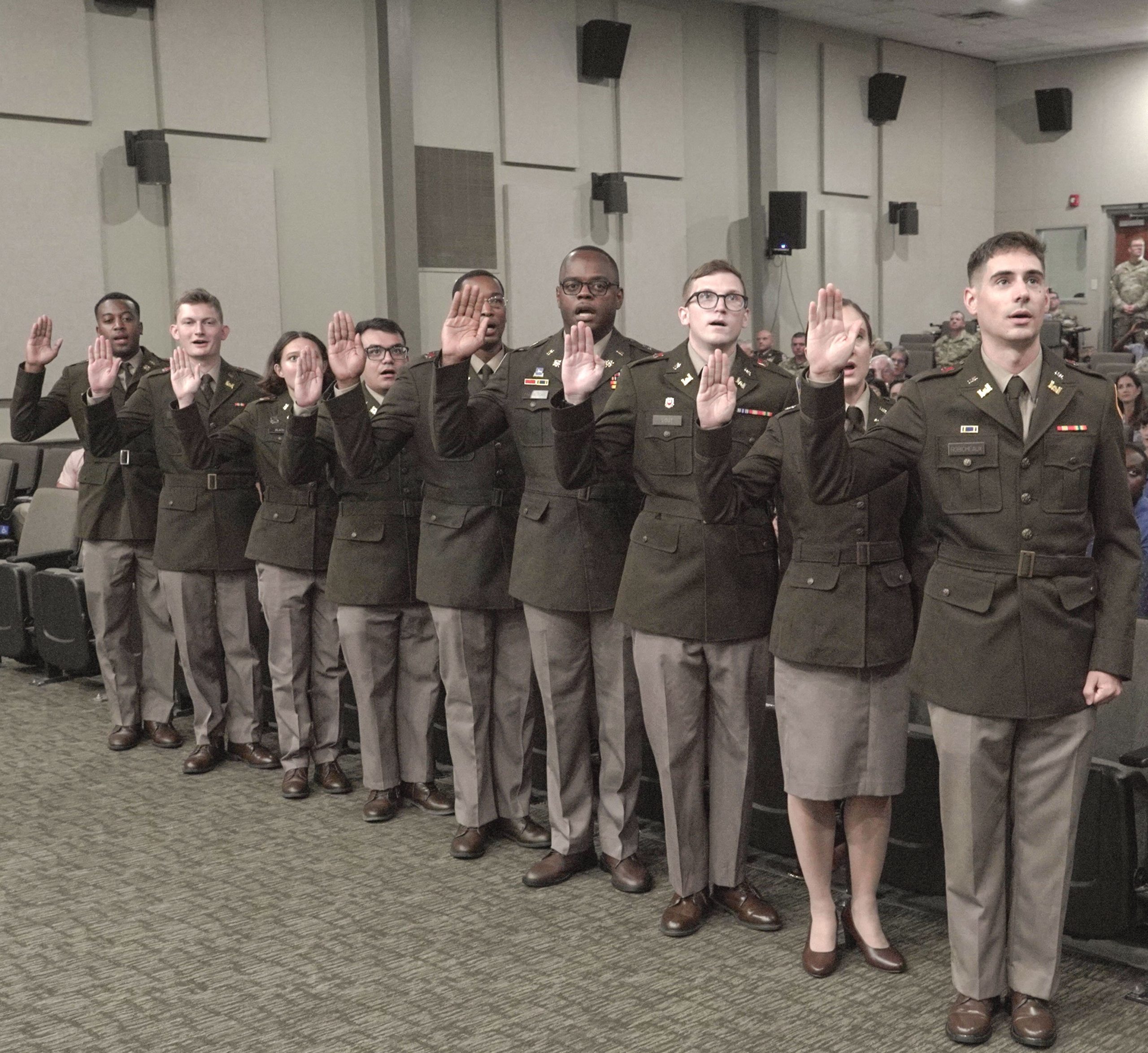 The 199th Regiment (Regional Training Institute) traces its origins to the Louisiana Military Academy, established in 1960. The organization became the 199th Regiment (Leadership) in 1997 and was redesignated as the 199th Regiment (Regional Training Institute) in 2008. Its training mission began with the establishment of Louisiana’s Officer Candidate School program in July 1960, providing a formal pathway for developing future Army officers.
The institute expanded its mission in 1976 with the establishment of the Noncommissioned Officer Academy, which provided professional military education through courses including the Primary Noncommissioned Officer Course, Basic Noncommissioned Officer Course, Advanced Noncommissioned Officer Course and First Sergeant Course. These programs evolved alongside the Army’s professional military education system and the changing requirements of the force.
Today, the 199th Regiment provides professional military education, leader development and specialized training to Regular Army, Army Reserve and National Guard Soldiers. Through its Noncommissioned Officer Academy and Modular Training Battalion, the institute conducts courses ranging from the Basic Leader Course and Officer Candidate School to instructor development, combat lifesaver training and military occupational specialty qualification in transportation, engineering and military police disciplines. The regiment continues to adapt its training programs to meet Army requirements while developing Soldiers and leaders for service throughout the Total Army.
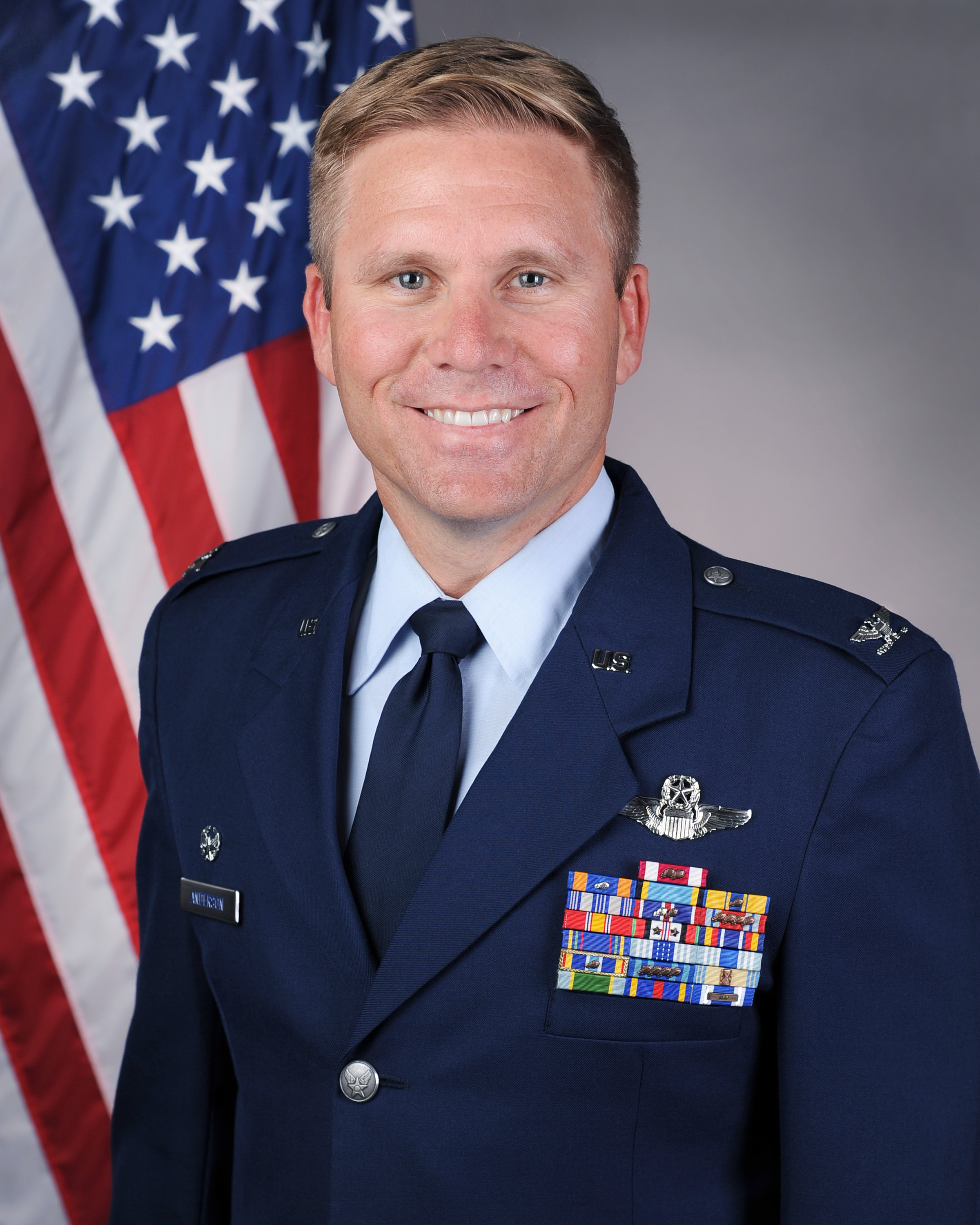
199th RTI Commander
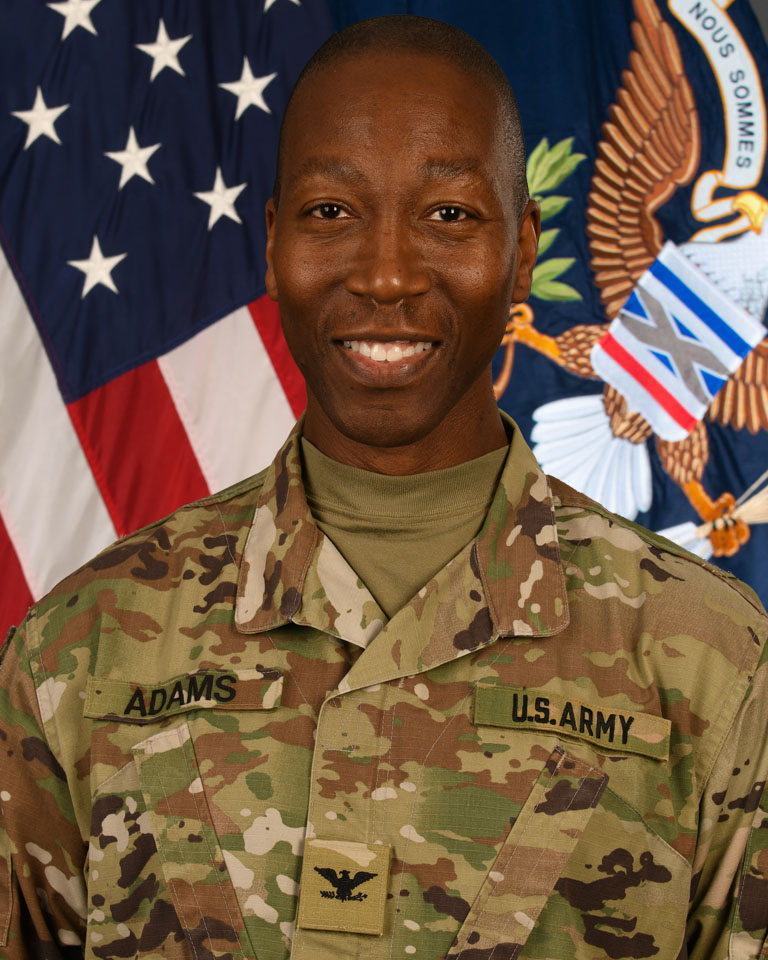
COL Stewart Adams
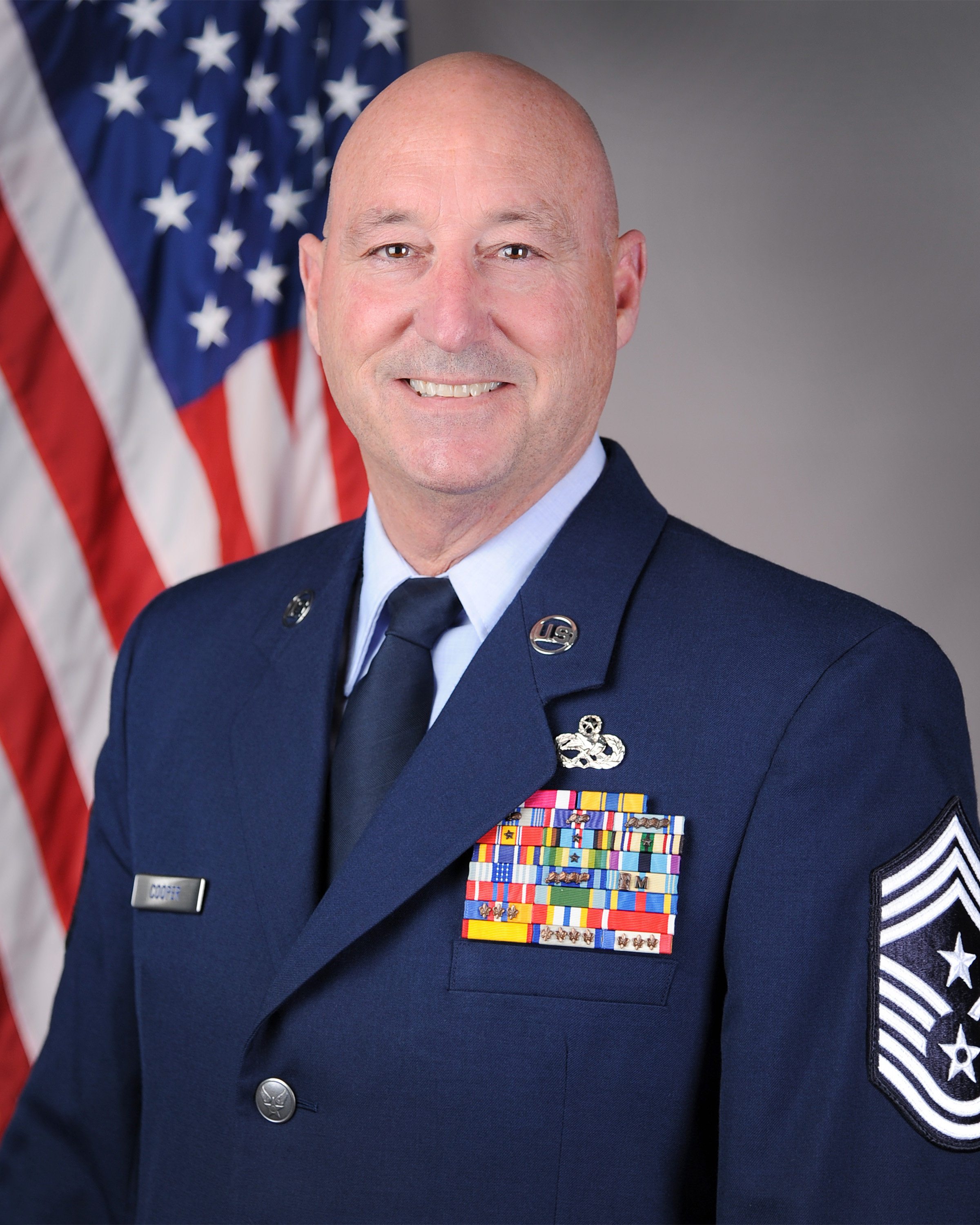
199th RTI Command Sergeant Major

CSM Dorian Brumley